CTI’s vision is for all States to become party to the Convention and to actively implement it.
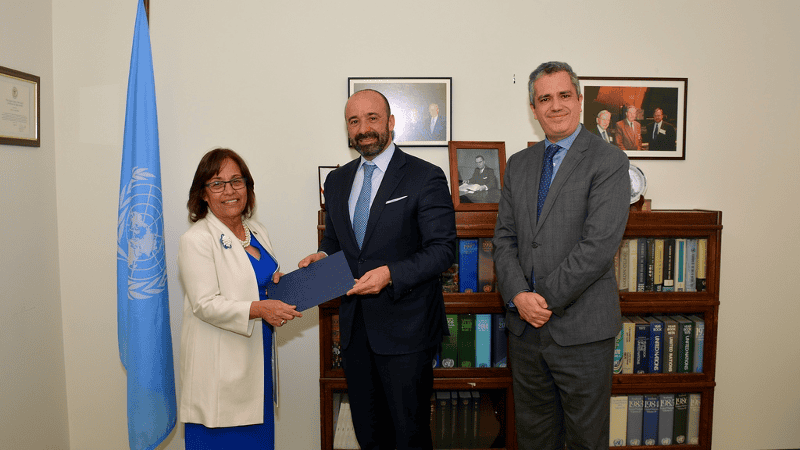
Since the launch of CTI, 22 States have become party to UNCAT. There are now 176 States parties worldwide, with only 19 countries left to join to achieve universal ratification. The full list of States parties is available here.
The prohibition of torture is a cornerstone of international customary law, universally recognised as absolute and non-derogable. The UN Convention against Torture serves as the principal international instrument for reinforcing this prohibition. It establishes a global framework for States to follow by setting out key obligations that are fundamental to upholding the prohibition of torture. However, these obligations are not yet universally binding, as not all States have ratified the Convention.Â
Ratification is therefore a critical first step for States to formally acknowledge and commit to the absolute ban on torture. Far more than a procedural formality, ratification provides a vital impetus for States to examine their existing practices objectively, and gives them the tools, information and support needed to strengthen their preventive and response measures against torture.
Achieving universal ratification would send a resounding message to the international community that torture is unequivocally unacceptable. It would enhance legal accountability across borders, strengthen international cooperation, bolster victim protection, and eliminate safe havens for perpetrators.
We exist to assist the remaining non-States-parties as they take action towards the ratification of UNCAT. We also continue to support countries with implementing the Convention once they have ratified it.Â
Our support is tailored to the individual needs of States and is never used to lobby or pressure. We provide one-to-one practical advice, such as assistance with legislative reviews, preparation of cabinet papers or building the “business case” for ratification.
The decision to ratify does not require perfection—it's a commitment to progress.
There are many good reasons why so many States have ratified the UN Convention against Torture. Here are 10!
Download the full infographic here.
Ratifying or acceding to UNCAT is possible at any time—full compliance with its provisions is not required beforehand. However, it is important to prepare steps to be taken upon ratification. These should include internal consultations with a wide range of stakeholders, identifying existing legislation, policies and practices related to torture and other ill-treatment, and locating gaps and areas for improvement.
Every year the UN Secretary General invites UN Member States to sign, ratify or accede to international treaties at a special event during the General Debate of the UN General Assembly in New York. Ratifying at this time generates media interest and can be a rallying point for showing public commitment to the fight against torture. CTI can assist delegations on-site via our Core States.

Read about the annual Treaty Event here.
Calling on States to ratify and improve their implementation of UNCAT consistently comes top of the recommendations made in the UN’s peer-review exercise. Pre-empting these recommendations by taking proactive steps before review is a strong signal of commitment likely to receive praise.
Learn more about the UPR here.
Many States have included commitments to ratify human rights treaties in their candidacy when vying for seats on the Human Rights Council.
CTI offers a free Ratification Toolkit, containing all you need to know about the process as well as matters to consider before and upon UNCAT ratification/accession. The toolkit includes several annexes offering complementary materials which offer answers to the most common questions raised by States.
The full toolkit is available here.
Some of the annexes can be accessed separately here:
"Ratification is not the end of the journey; it is a beginning. As States, we all face constraints and problems, and it is the view of the CTI that UNCAT can assist States with these challenges. It is actually impossible to have a so-called “perfect” record in advance of ratification. What does count is making a commitment, and using the Convention to advance relevant domestic changes."
H.E. Ramses Joseph Cleland, former Ambassador and Permanent Representative of Ghana to the UN in Geneva
If you can’t find what you’re looking for here, CTI can provide tailored advice on how to ratify or accede to UNCAT, including answering questions regarding reservations, declarations and other procedural matters. Don’t hesitate to contact us at info@cti.international.